
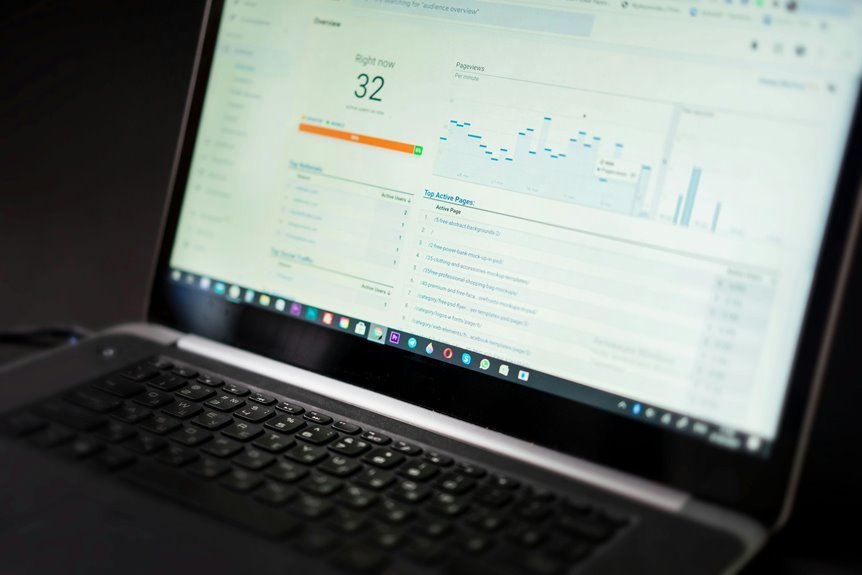
Priority Metrics Dashboard on 615636246, 120899129, 120694472, 682635261, 630306333542800, 661413575

The Priority Metrics Dashboard for the specified identifiers serves as a critical tool for organizations aiming to optimize their performance. By analyzing key performance indicators, stakeholders can derive meaningful insights that align with their strategic objectives. This dashboard’s adaptability ensures real-time updates, crucial for informed decision-making. However, the effectiveness of this approach hinges on understanding the underlying metrics and their implications for organizational success, raising questions about how best to leverage these insights.
Understanding the Importance of Key Performance Indicators
Key Performance Indicators (KPIs) serve as essential navigational instruments for organizations striving to measure progress and achieve strategic objectives.
These key indicators facilitate performance tracking, ensuring data relevance aligns with defined goals. By emphasizing metric alignment, organizations can enhance outcome measurement and execute strategic assessments effectively.
Ultimately, KPIs empower entities to navigate complexities and foster a culture that values informed decision-making and continuous improvement.
Analyzing Specific Metrics for Improved Performance
Effective performance improvement necessitates a meticulous analysis of specific metrics that directly influence organizational outcomes.
By examining metric trends against established performance benchmarks, organizations can identify strengths and weaknesses. This process allows for the adjustment of strategies, fostering a culture of continuous improvement.
Ultimately, understanding these specific metrics empowers teams to make informed decisions and enhance overall performance, aligning with the pursuit of freedom and autonomy.
Benefits of a Customized Priority Metrics Dashboard
Although many organizations utilize standard dashboards, a customized priority metrics dashboard offers distinct advantages that can significantly enhance decision-making processes.
Such dashboards provide tailored insights, ensuring that relevant data aligns with organizational goals.
Furthermore, dashboard adaptability allows users to modify metrics and visualizations as needed, fostering a dynamic approach to performance evaluation and strategic planning.
Ultimately, this empowers decision-makers to act with confidence and clarity.
Strategies for Effective Data Visualization and Decision-Making
Harnessing the power of data visualization is crucial for enhancing decision-making processes within organizations.
Effective strategies include employing data storytelling to convey insights and establish a narrative with context.
Additionally, implementing visual hierarchy helps prioritize information, guiding viewers’ attention towards key metrics.
Together, these approaches empower stakeholders to make informed decisions, fostering a culture of transparency and freedom in organizational dynamics.
Conclusion
In conclusion, the Priority Metrics Dashboard serves as a vital tool for organizations striving for excellence, embodying the adage, “What gets measured gets managed.” By focusing on key performance indicators, stakeholders can foster a culture of accountability and transparency, leading to informed decision-making and continuous improvement. As organizations adapt to dynamic environments, the strategic use of tailored metrics will not only enhance performance evaluation but also drive success in achieving overarching objectives.